
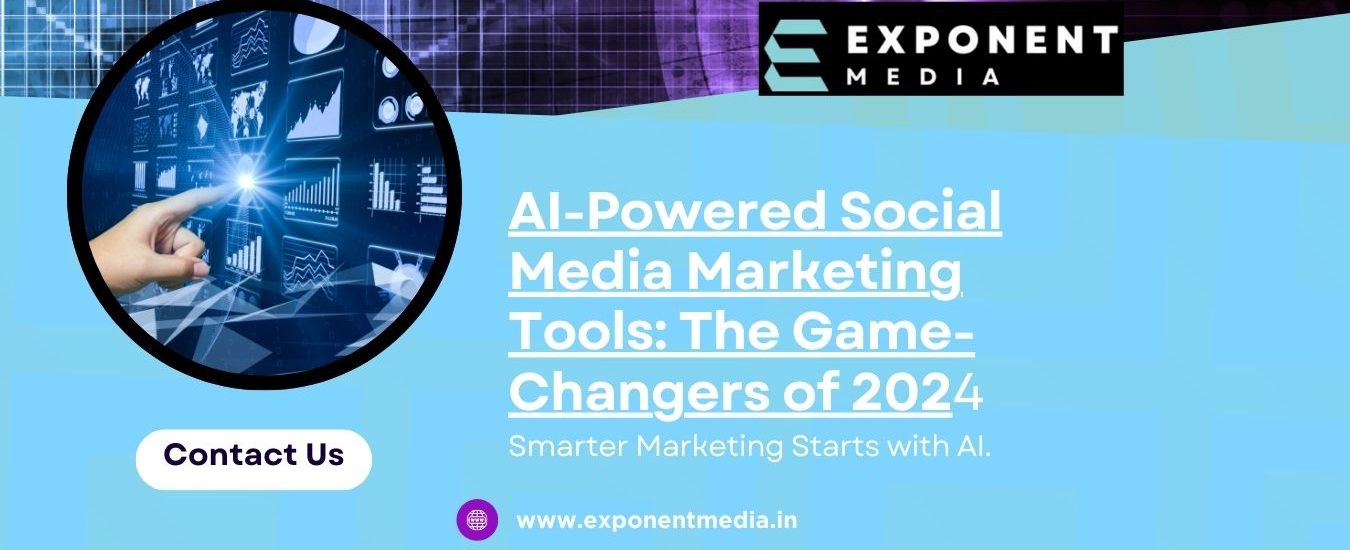
As social media marketing evolves, artificial intelligence (AI) has become a powerful tool for transforming how brands engage, analyze, and scale their digital presence. In 2024, the latest AI-powered tools are helping marketers streamline their workflows, generate better insights, and deliver more personalized content to their audiences. If you’re a digital marketer looking to stay ahead, here are some key ways AI-powered tools are reshaping social media marketing—and how you can leverage them to maximize your success this year.
1. Automated Content Creation and Curation
Creating fresh, engaging content regularly is a must for successful social media marketing. AI-powered tools simplify this process, offering capabilities that range from text generation to image and video creation. For instance, platforms like Copy.ai and ChatGPT use natural language processing (NLP) to craft content that aligns with a brand’s voice. These tools can generate text, captions, blog posts, or even entire social media content calendars.
For visual content, Canva’s AI image generator and Lumen5’s video creator allow marketers to quickly produce high-quality visuals and videos, transforming written content into visual formats for greater engagement. These tools are not only time-savers but also enable marketers to focus on strategic planning and creative input.
Pro Tip:
Experiment with various AI content-generation tools to maintain a consistent flow of fresh ideas. By diversifying content, brands can keep followers engaged and coming back for more.
2. Enhanced Audience Insights and Social Listening

One of the greatest advantages of AI in social media is the ability to understand and predict audience behavior. Social listening tools like Brandwatch and Talkwalker harness AI to sift through vast amounts of online chatter and extract meaningful insights. They can detect trends, sentiment, and specific keywords associated with your brand or industry, helping you fine-tune your messaging and timing.
AI-driven analytics tools also give a granular view of audience engagement, allowing marketers to make data-backed decisions. By understanding what resonates with audiences, brands can tailor their content, ensuring they’re meeting customer needs in real-time.
Pro Tip:
Regularly analyze social listening reports to identify shifts in customer sentiment and emerging trends. Use these insights to create timely and relevant content that resonates with your audience.
3. Personalized Customer Engagement
Personalization is the key to modern social media marketing, and AI tools are leading the charge. Platforms like HubSpot and Sprout Social now offer AI-driven algorithms that analyze customer behavior and suggest personalized messages. With these tools, brands can address customers by name, recommend products based on past purchases, and even time messages to when the customer is most active.
Chatbots, powered by AI, have also advanced significantly. Tools like ManyChat and MobileMonkey facilitate real-time responses on platforms like Facebook Messenger and Instagram. These AI-powered chatbots can answer FAQs, manage customer inquiries, and even handle transactions, creating a seamless experience that boosts customer satisfaction and brand loyalty.
Pro Tip:
Implement chatbots on your social channels to streamline customer interactions. Not only can they handle routine queries, but they also free up your team to focus on more complex customer issues.
4. Automated Scheduling and Posting
Consistency is critical in social media, and AI scheduling tools are helping marketers maintain a regular presence across platforms. Popular tools like Hootsuite and Buffer now integrate AI to recommend the optimal times to post based on past engagement data. By predicting when audiences are most likely to engage, these tools help brands maximize visibility.
In 2024, AI-powered scheduling tools go beyond basic time predictions. They also analyze content performance and recommend adjustments based on past trends. For example, if a particular post type resonates well, AI tools may suggest variations of that post style for future campaigns, enhancing engagement rates over time.
Pro Tip:
Use AI-powered scheduling tools to ensure posts are optimized for reach and engagement. This will keep your brand consistently visible without needing constant manual oversight.
5. Advanced Social Media Analytics
In the age of data-driven marketing, AI-powered analytics tools have become indispensable. Platforms like Sprinklr and Zoho Social provide in-depth insights, analyzing metrics across multiple social channels to reveal patterns and trends. AI-driven analytics go beyond basic engagement statistics, offering insights into audience demographics, sentiment, conversion rates, and return on investment (ROI).
For instance, these tools can help brands identify which posts drive the most engagement, track click-through rates on calls-to-action, and even assess the effectiveness of different content types. Armed with these insights, marketers can make informed decisions that boost their social media ROI.
Pro Tip:
Regularly review your analytics to gauge what’s working and what needs improvement. Continuous optimization based on AI insights can lead to better audience connections and enhanced campaign results.
Final Thoughts
AI-powered social media marketing tools in 2024 have fundamentally transformed how brands interact with their audiences. From automating content creation to providing in-depth analytics, AI tools help marketers save time, make data-driven decisions, and deliver more engaging, personalized experiences. As these tools continue to evolve, adopting AI in your social media strategy will be crucial for staying ahead of competitors and meeting ever-changing customer expectations.
Key Takeaways
Automated Content Creation: Use AI for creating diverse, engaging content efficiently.
Social Listening: Leverage AI to understand audience sentiment and emerging trends.
Personalized Engagement: Implement AI tools to foster personalized, timely customer interactions.
Optimized Scheduling: AI scheduling tools ensure content is posted at peak times.
In-Depth Analytics: Use AI-driven insights to refine and improve campaigns.
Predictive Analysis: Harness AI predictions to enhance paid and organic campaigns.
By integrating AI-powered tools, marketers in 2024 can not only streamline operations but also build stronger, more meaningful connections with their audiences. Embrace these tools to transform your social media strategy and drive better results this year.